Classic Tres Leches Cake
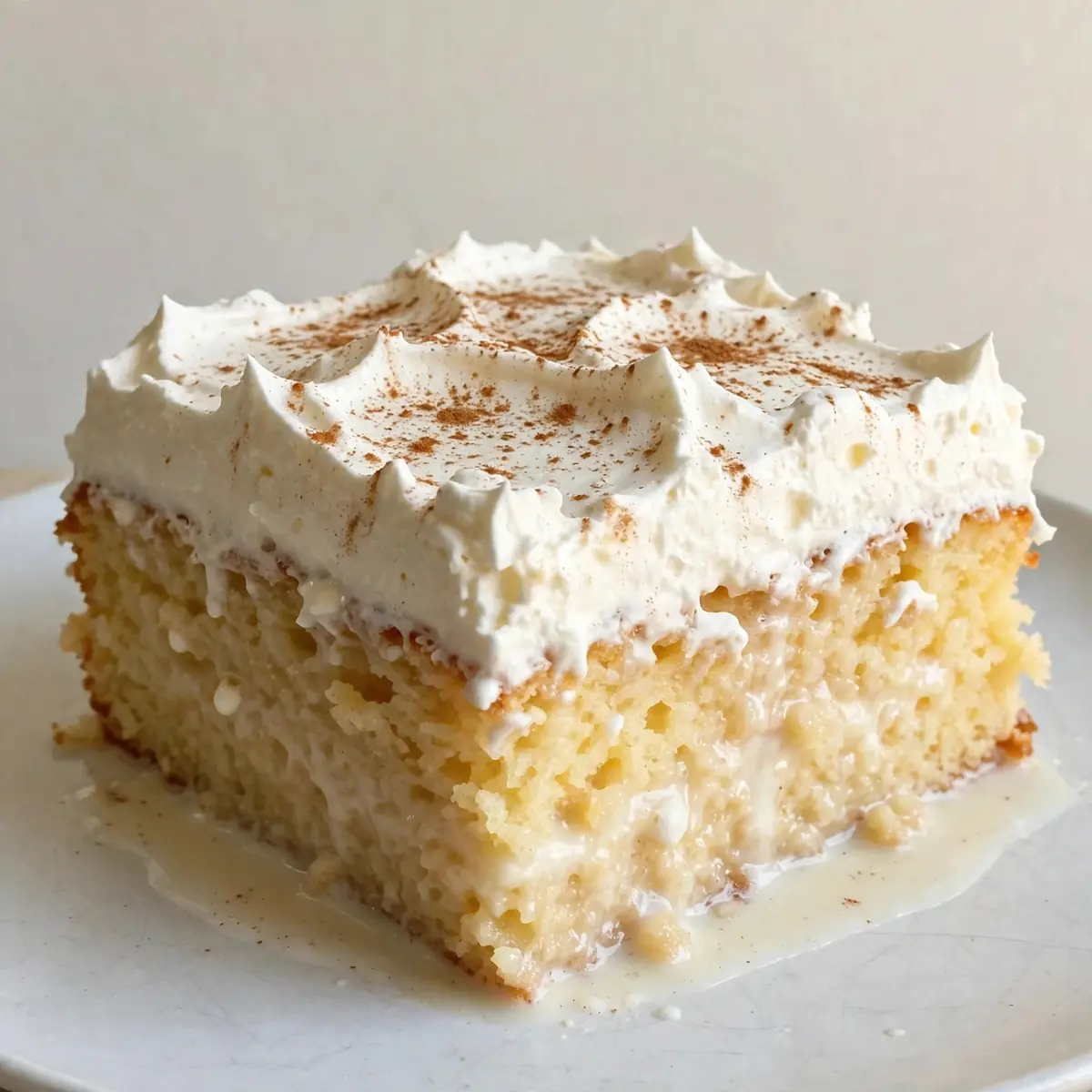
Some weeknights, you just want dessert to feel like a celebration without the four-hour kitchen marathon. That’s exactly why I tweaked my grandmother’s famous recipe into this classic tres leches cake that comes together in under an hour, uses just one bowl for the sponge, and tastes even better the next day.
Recipe Overview
- Prep time: 20 minutes
- Cook time: 30–35 minutes
- Total time: 55 minutes (plus 2 hours chilling)
- Servings: 12 generous slices
- Difficulty: Easy
Why You’ll Love This Classic New York Baked Cheesecake
- Minimal cleanup: The sponge batter mixes in a single bowl, and you bake it straight in the dish you’ll serve from, so washing up takes almost no time at all.
- Make-ahead magic: This cake actually improves overnight. You can bake and soak it the night before a busy day, then just add the topping before serving — no last-minute stress.
- No fancy equipment needed: A hand mixer and a 9×13 inch baking dish are all you need. No stand mixer required, no special pans to hunt for.
- Kid-friendly and crowd-approved: My husband, who’s usually picky, asked for seconds the first time I made this version. Friends always ask me for this recipe after trying it at dinner parties.
- Quick bake time: The sponge bakes in just 30 minutes. While it cools, you can whip up the three-milk mixture and prepare the topping — a proper weeknight timeline.
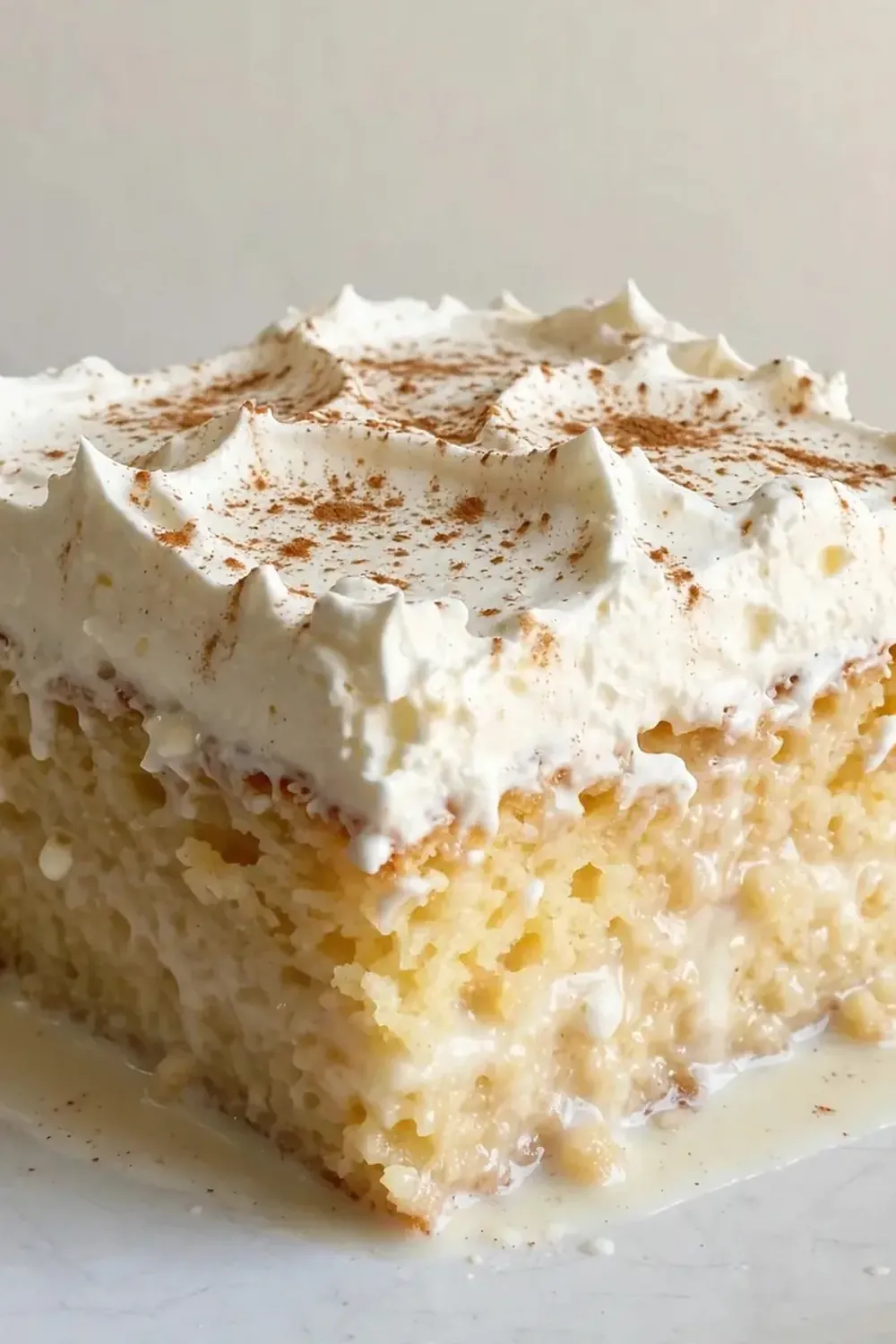
Ingredients You’ll Need
- 240g plain flour
- 1½ teaspoons baking powder
- ½ teaspoon salt
- 200g caster sugar
- 5 large eggs, separated
- 120ml whole milk
- 1 teaspoon vanilla extract
- 400ml evaporated milk
- 400ml sweetened condensed milk
- 300ml double cream
- 500ml double cream (for topping)
- 2 tablespoons icing sugar
- 1 teaspoon vanilla extract (for topping)
Tip: Room-temperature eggs are crucial here. Take them out of the fridge 30 minutes before you start — they’ll whip up to a much higher volume and give your sponge that signature light, airy texture.
How to Make Classic Tres Leches Cake
- Preheat the oven to 180°C (160°C fan). Grease a 9×13 inch baking dish with butter or a light spray of oil. You want the sides and bottom well coated — the sponge will stick if you skip this.
- Whisk the dry ingredients together. In a small bowl, combine the flour, baking powder, and salt. The mixture should look uniform and pale, with no clumps. Set it aside for now.
- Beat the egg whites until stiff peaks form. In a large, clean bowl, use a hand mixer to whip the egg whites on medium-high speed. You’ll see them go from frothy and yellow-white to glossy and snow-white. When you lift the beaters, the peaks should stand upright without drooping — that’s your cue to stop. Set this bowl aside.
- Cream the yolks and sugar. In another large bowl, beat the egg yolks with the caster sugar until the mixture turns thick, pale, and ribbon-like. When you lift the beaters, the batter should fall back into the bowl in a slow, smooth ribbon that holds its shape for a second. This takes about 3 minutes of beating.
- Fold the wet ingredients into the yolk mixture. Stir in the 120ml whole milk and 1 teaspoon vanilla extract until just combined. The batter will look thin and slightly curdled — that’s normal.
- Fold in the dry ingredients and egg whites. Gently fold the flour mixture into the yolk mixture in three additions, alternating with the egg whites. Use a rubber spatula and a light hand — cut through the centre, scrape the bottom, and lift the mixture over itself. Stop as soon as you can’t see any white streaks. The batter should be fluffy, airy, and pale yellow with a soft, mousse-like texture.
- Bake the sponge. Pour the batter into the prepared baking dish and spread it evenly. The batter will be thick and billowy. Bake for 30–35 minutes, until the top is golden brown and springs back when gently pressed. A skewer inserted into the centre should come out clean or with a few dry crumbs. The kitchen will smell sweet and eggy — a good sign.
- Cool the sponge completely. Place the dish on a wire cooling rack and let the cake cool for at least 30 minutes. You’ll know it’s ready when the top feels cool to the touch and the sides have pulled away slightly from the dish. This step is essential — a warm sponge will absorb the milk unevenly and turn soggy.
- Make the three-milk mixture. In a large jug, whisk together the evaporated milk, sweetened condensed milk, and 300ml double cream. The mixture should be smooth, pale, and slightly thickened — almost like a thin milkshake. Taste it — it should be sweet but not cloying.
- Soak the cake. Using a fork or skewer, poke holes all over the surface of the cooled sponge — about 30 to 40 holes. Pour the milk mixture slowly and evenly over the cake, starting at the edges and working toward the centre. You’ll see the sponge darken and puff slightly as it drinks up the liquid. Cover the dish with cling film and refrigerate for at least 2 hours, though overnight is ideal.
- Whip the topping and serve. Just before serving, pour 500ml double cream into a chilled bowl with the icing sugar and 1 teaspoon vanilla extract. Whip on medium-high speed until soft peaks form — the cream should hold its shape when you lift the beaters but still look silky, not stiff. Spread the whipped cream over the chilled cake in an even layer. Slice and serve cold.
Tips From My Kitchen
- Use a deep baking dish. A 9×13 inch dish with sides at least 2 inches high gives the milk mixture room to soak in without spilling over. If your dish is shallow, pour the milk in three stages, waiting 5 minutes between each pour so the sponge has time to absorb.
- Chill the cake for at least 2 hours, but overnight is better. The longer the cake sits, the more evenly the three-milk mixture penetrates. After 8 hours, every single bite will be perfectly moist. I often bake this on a Sunday evening and serve it on Monday — it’s the ultimate make-ahead dessert.
- Don’t over-whip the topping. Whipped cream can turn from silky to grainy in seconds. Stop beating as soon as the cream holds a soft peak. If you go too far, you’ll end up with butter — which is delicious but not what we want here.
- Poke plenty of holes. I use a fork and make about 40 holes across the surface. More holes mean more channels for the milk to seep through, resulting in a uniformly moist cake. Don’t be shy — the sponge can handle it.
- Let the eggs come to room temperature. Cold eggs don’t whip as high, and a less voluminous sponge means less surface area to absorb the milk. Set your eggs on the counter for 30 minutes before baking — the difference in the cake’s texture is remarkable.
- Serve straight from the fridge. Tres leches cake is meant to be eaten cold. The chilled cream topping and the cool, milky sponge create a refreshing contrast that makes this dessert so satisfying. If you leave it out too long, the cream will start to soften and the cake will become too soft.
Equipment You’ll Need
- Hand mixer (or stand mixer with whisk attachment)
- 9×13 inch baking dish (at least 2 inches deep)
- Large mixing bowls (at least 2)
- Rubber spatula
- Wire cooling rack
- Large jug for the milk mixture
- Cling film
Common Mistakes to Avoid
- Overmixing the batter: Once you add the flour and egg whites, stop mixing the moment you can’t see any white streaks. Overmixing deflates the air you’ve worked so hard to beat in, resulting in a dense, flat sponge that won’t absorb the milk properly. Use a gentle folding motion — cut, scrape, lift, repeat.
- Pouring the milk while the cake is still warm: A warm sponge absorbs liquid too quickly, turning the bottom layer into a soggy mess while the top stays dry. Wait until the cake is completely cool to the touch — at least 30 minutes out of the oven. The sponge should feel firm and springy before you start poking holes.
- Skipping the rest time after soaking: The milk needs time to distribute evenly throughout the sponge. If you slice the cake after just 30 minutes of chilling, you’ll end up with dry patches and overly wet ones. Give it a minimum of 2 hours in the fridge — the texture will be uniformly creamy and luxurious.
What to Serve With Classic Tres Leches Cake
- A handful of fresh berries — strawberries, raspberries, or blueberries add a bright, tart contrast to the rich, sweet cake.
- A dusting of ground cinnamon or cocoa powder on top just before serving for a warm, aromatic finish.
- A side of strong black coffee or espresso — the bitterness cuts through the sweetness beautifully.
- For a lighter option, serve alongside a scoop of Fresh Peach Sorbet Recipe — the fruity, icy texture balances the creamy cake.
Frequently Asked Questions
Classic Tres Leches Cake
Ingredients
Method
-
Preheat the oven to 180°C (160°C fan). Grease a 9×13 inch baking dish with butter or a light spray of oil. You want the sides and bottom well coated — the sponge will stick if you skip this.
-
Whisk the dry ingredients together. In a small bowl, combine the flour, baking powder, and salt. The mixture should look uniform and pale, with no clumps. Set it aside for now.
-
Beat the egg whites until stiff peaks form. In a large, clean bowl, use a hand mixer to whip the egg whites on medium-high speed. You’ll see them go from frothy and yellow-white to glossy and snow-white. When you lift the beaters, the peaks should stand upright without drooping — that’s your cue to stop. Set this bowl aside.
-
Cream the yolks and sugar. In another large bowl, beat the egg yolks with the caster sugar until the mixture turns thick, pale, and ribbon-like. When you lift the beaters, the batter should fall back into the bowl in a slow, smooth ribbon that holds its shape for a second. This takes about 3 minutes of beating.
-
Fold the wet ingredients into the yolk mixture. Stir in the 120ml whole milk and 1 teaspoon vanilla extract until just combined. The batter will look thin and slightly curdled — that’s normal.
-
Fold in the dry ingredients and egg whites. Gently fold the flour mixture into the yolk mixture in three additions, alternating with the egg whites. Use a rubber spatula and a light hand — cut through the centre, scrape the bottom, and lift the mixture over itself. Stop as soon as you can’t see any white streaks. The batter should be fluffy, airy, and pale yellow with a soft, mousse-like texture.
-
Bake the sponge. Pour the batter into the prepared baking dish and spread it evenly. The batter will be thick and billowy. Bake for 30–35 minutes, until the top is golden brown and springs back when gently pressed. A skewer inserted into the centre should come out clean or with a few dry crumbs. The kitchen will smell sweet and eggy — a good sign.
-
Cool the sponge completely. Place the dish on a wire cooling rack and let the cake cool for at least 30 minutes. You’ll know it’s ready when the top feels cool to the touch and the sides have pulled away slightly from the dish. This step is essential — a warm sponge will absorb the milk unevenly and turn soggy.
-
Make the three-milk mixture. In a large jug, whisk together the evaporated milk, sweetened condensed milk, and 300ml double cream. The mixture should be smooth, pale, and slightly thickened — almost like a thin milkshake. Taste it — it should be sweet but not cloying.
-
Soak the cake. Using a fork or skewer, poke holes all over the surface of the cooled sponge — about 30 to 40 holes. Pour the milk mixture slowly and evenly over the cake, starting at the edges and working toward the centre. You’ll see the sponge darken and puff slightly as it drinks up the liquid. Cover the dish with cling film and refrigerate for at least 2 hours, though overnight is ideal.
-
Whip the topping and serve. Just before serving, pour 500ml double cream into a chilled bowl with the icing sugar and 1 teaspoon vanilla extract. Whip on medium-high speed until soft peaks form — the cream should hold its shape when you lift the beaters but still look silky, not stiff. Spread the whipped cream over the chilled cake in an even layer. Slice and serve cold.
Notes
I’d love to hear how this classic tres leches cake turns out for your family. Did you try any twists, or did you keep it traditional? Drop a comment below and let me know — and if you’re after more effortless desserts, browse our Cakes collection for recipes that fit into even the busiest weeknights.