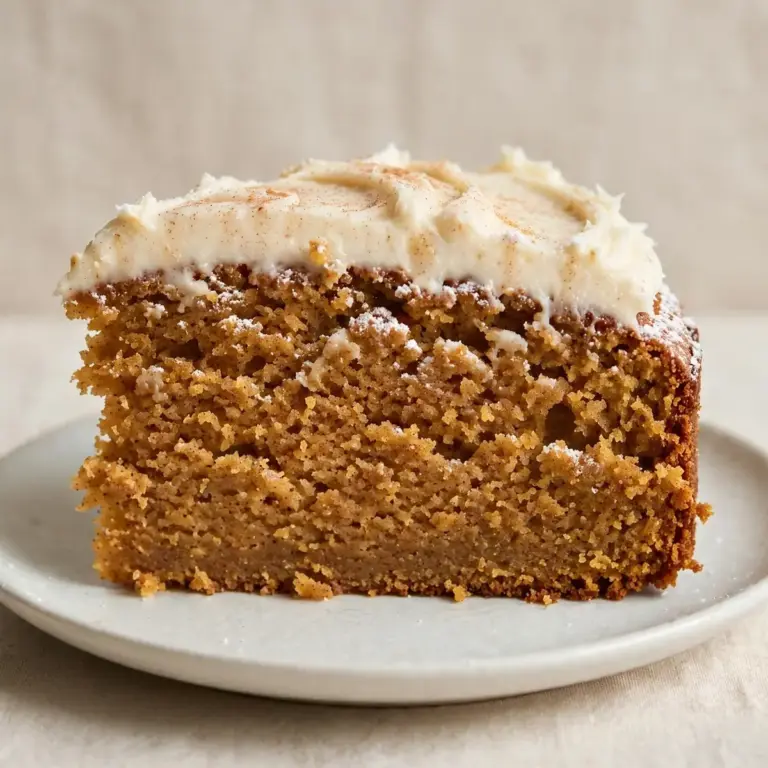
Moist Banana Cake With Brown Butter Frosting
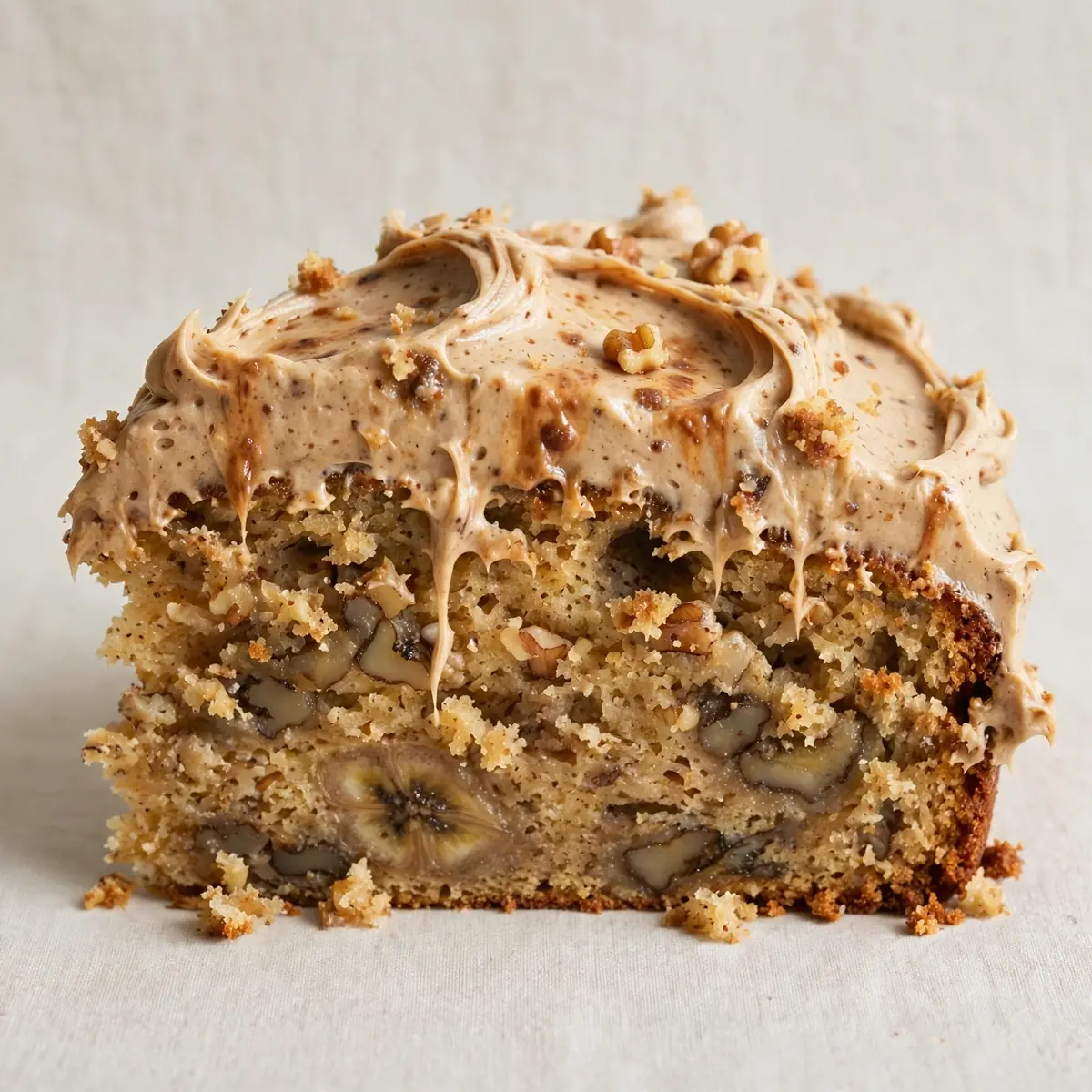
After a long day, the last thing I need is a complicated baking project, but I also crave something homemade for the family. This Moist Banana Cake with Brown Butter Frosting is my secret weapon for turning a handful of spotty bananas into a glorious, stress-free dessert that comes together in under an hour with just one bowl to wash.
Recipe Overview
- Prep Time: 15 minutes
- Cook Time: 35 minutes
- Total Time: 50 minutes
- Servings: 12 generous slices
- Difficulty: Easy
Why You’ll Love This Moist Banana Cake with Brown Butter Frosting
- One-bowl simplicity: The entire cake batter comes together in a single mixing bowl, which means you spend less time scrubbing and more time relaxing. I’ve been making this for over 2 years, and it never disappoints on a busy weeknight.
- Pantry-friendly ingredients: You likely have everything you need already sitting in your kitchen cupboards and fruit bowl. Those overripe bananas that nobody wants to eat finally have a glorious purpose.
- Make-ahead magic: This cake actually tastes better the day after it’s made, as the flavours deepen and the texture becomes even more luscious. Bake it the night before, frost it in the morning, and dinner dessert is sorted.
- Brown butter frosting that steals the show: The nutty, toasty flavour of browned butter transforms a simple buttercream into something spectacular, yet it requires just four ingredients and five minutes of your time.
- Minimal equipment needed: No stand mixer required for the cake part, just a good whisk and a spatula. The frosting works fine with a hand mixer, making this accessible for any kitchen setup.
Ingredients You’ll Need
- 3 large ripe bananas (about 350g, the spottier the better)
- 100g unsalted butter, melted and slightly cooled
- 150g caster sugar
- 2 large eggs, at room temperature
- 1 teaspoon vanilla extract
- 200g plain flour
- 1 teaspoon bicarbonate of soda
- ½ teaspoon baking powder
- ½ teaspoon salt
- 100ml full-fat milk, at room temperature
Tip: For the brown butter frosting, you’ll need 100g unsalted butter, 250g icing sugar (sifted), 2 tablespoons full-fat milk, and ½ teaspoon vanilla extract. Make sure your bananas are very ripe with plenty of brown spots — this is where the natural sweetness and moisture live.
How to Make Moist Banana Cake with Brown Butter Frosting
- Preheat and prepare your tin. Set your oven to 175°C (350°F). Grease a 20cm round cake tin and line the base with a circle of parchment paper. The paper should sit flat and smooth against the bottom, with no wrinkles or air bubbles.
- Mash the bananas thoroughly. In a large mixing bowl, mash the bananas with a fork until they form a smooth, almost liquid purée with only a few small lumps remaining. You should see no large chunks, and the mixture will look slightly glossy and smell intensely fruity.
- Combine the wet ingredients. Add the melted butter, caster sugar, eggs, and vanilla extract to the mashed bananas. Whisk vigorously for about one minute until the mixture is pale, smooth, and slightly thickened. It should look like a thin pancake batter and feel silky when you lift the whisk.
- Fold in the dry ingredients. Sift the plain flour, bicarbonate of soda, baking powder, and salt directly over the wet mixture. Using a rubber spatula, fold gently until just combined — you want to see no streaks of white flour, but a few small lumps are perfectly fine. The batter will be thick and slightly lumpy, with a soft, dropping consistency.
- Add the milk and mix gently. Pour in the room-temperature milk and fold it through the batter with just three or four strokes. The batter should loosen slightly and become smooth and shiny, resembling a thick milkshake. Take care not to overmix, or your cake will turn out tough.
- Bake until golden and springy. Pour the batter into the prepared tin and smooth the top with the back of a spoon. Bake for 33-38 minutes, rotating the tin halfway through. The cake is ready when the top is a deep golden brown, the edges have pulled away slightly from the tin, and a skewer inserted into the centre comes out clean or with a few moist crumbs attached. The kitchen will smell intensely of toasted banana and butter.
- Cool completely before frosting. Let the cake rest in the tin for 10 minutes, then turn it out onto a wire cooling rack and peel off the parchment paper. Allow it to cool completely — this takes about one hour. The cake should feel firm but springy to the touch, and the top will have a beautiful domed shape.
- Make the brown butter frosting. While the cake cools, place the 100g butter for the frosting in a small saucepan over medium heat. Cook, stirring occasionally, until the butter melts, foams, and then turns a deep amber colour with a nutty, toasty aroma. You’ll see brown specks forming at the bottom of the pan — this takes about 5 minutes. Immediately pour the brown butter into a heatproof bowl and let it cool for 10 minutes. Once cooled but still liquid, add the sifted icing sugar, milk, and vanilla, and beat with a hand mixer for 2-3 minutes until light, fluffy, and spreadable. The frosting will be pale beige with a rich, caramel-like fragrance.
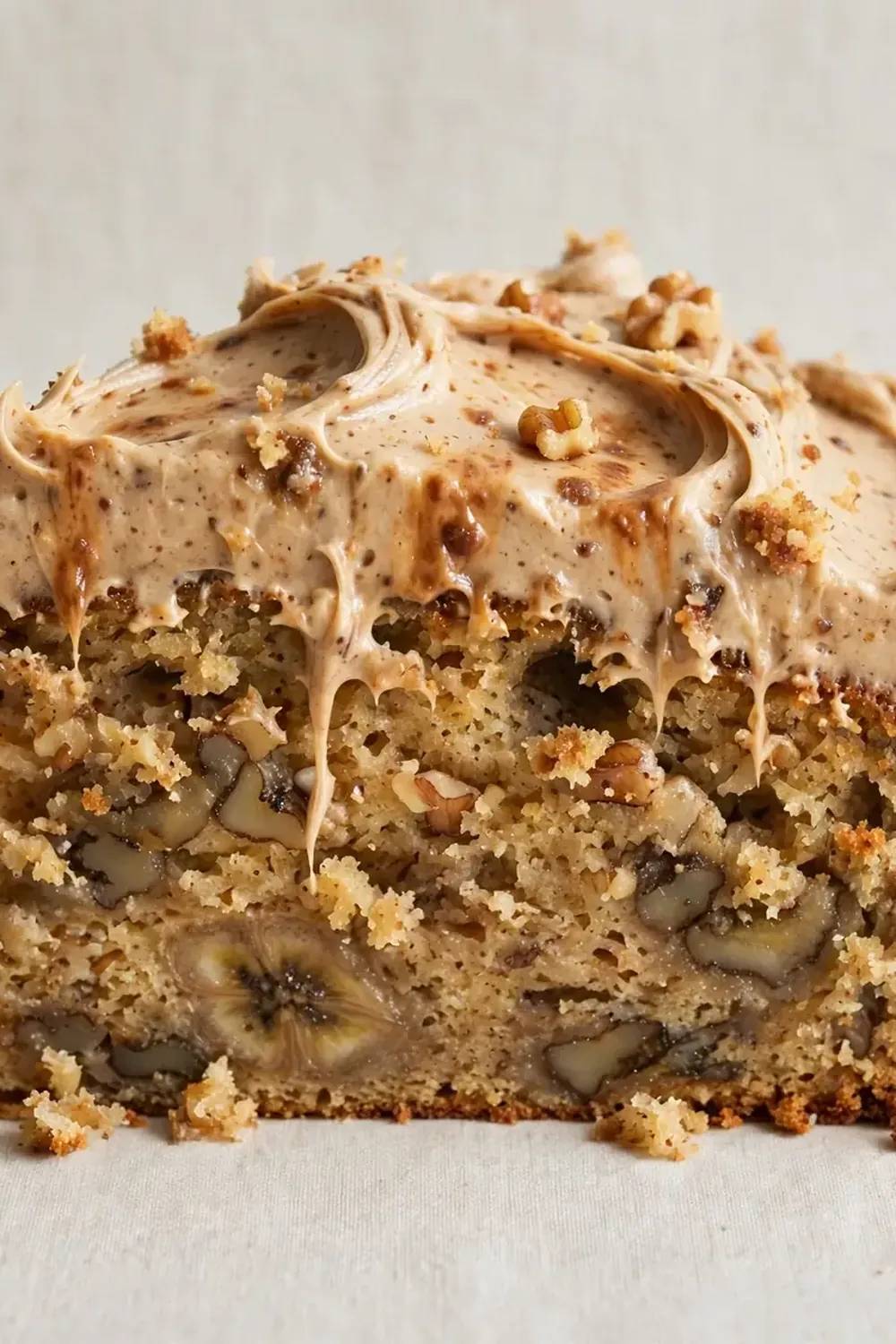
- Frost and serve. Once the cake is completely cool, spread the brown butter frosting evenly over the top and sides using a palette knife or the back of a spoon. The frosting should sit thickly on the cake, creating a smooth, creamy layer that contrasts beautifully with the tender crumb beneath.
Tips From My Kitchen
- Use spotty bananas for maximum sweetness: The natural sugars in bananas intensify as they ripen, turning starches into simple sugars. Bananas that are almost black on the outside will give you the sweetest, most flavourful cake without needing to add extra sugar. If your bananas aren’t ripe enough, pop them in a 150°C oven for 15 minutes until their skins turn black — this mimics natural ripening.
- Always sift your dry ingredients together: Bicarbonate of soda and baking powder can clump together if not properly distributed, leading to pockets of bitter, metallic-tasting cake. Sifting also aerates the flour, giving you a lighter, softer crumb that stays moist for days.
- Bring your eggs and milk to room temperature: Cold ingredients seize the melted butter, causing the batter to become lumpy and the cake to bake unevenly. Take your eggs and milk out of the fridge 30 minutes before you start, or place the eggs in a bowl of warm water for 5 minutes to bring them up to temperature quickly.
- Don’t skip the cooling step for the brown butter: If you add hot brown butter to the icing sugar, it will melt the sugar and create a runny, greasy mess. Let the browned butter cool until it’s just warm to the touch but still liquid — about 10 minutes — before beating it with the sugar.
- Wrap leftovers tightly to preserve moisture: This cake stays wonderfully moist for up to three days if stored in an airtight container at room temperature. For longer storage, wrap individual slices in cling film and freeze for up to two months. Thaw at room temperature for 30 minutes before serving.
Equipment You’ll Need
- Stand mixer or hand mixer (for the frosting)
- 20cm round cake tin
- Parchment paper
- Wire cooling rack
- Large mixing bowl
- Saucepan
- Rubber spatula
- Palette knife (optional, for frosting)
Common Mistakes to Avoid
- Overmixing the batter: Once you add the flour, you need to work quickly and gently. Overmixing develops the gluten in the flour, which turns a tender, moist cake into a dense, rubbery loaf. Stop folding as soon as you can’t see any more dry flour — a few small lumps are your friend, not your enemy.
- Baking at the wrong temperature: An oven that’s too hot will brown the outside before the centre is cooked through, leaving you with a burnt crust and a raw middle. Always use an oven thermometer to verify your oven’s accuracy, as many home ovens run 10-20°C hotter than their dial suggests.
- Skipping the rest time in the tin: Freshly baked cakes are incredibly fragile and will crumble if you try to turn them out immediately. The 10-minute rest in the tin allows the structure to set and the steam to redistribute, making the cake firm enough to handle without breaking apart.
Delicious Variations to Try
- Chocolate Chip Version: Fold 100g of dark chocolate chips into the batter just before pouring it into the tin. The melted pockets of chocolate pair beautifully with the banana and the nutty brown butter frosting, creating a dessert that feels even more indulgent.
- Vegan Option: Replace the eggs with two flax eggs (2 tablespoons ground flaxseed mixed with 6 tablespoons water, left to gel for 10 minutes). Use melted coconut oil instead of butter, and swap the milk for oat milk. The brown butter frosting can be made with vegan butter — it browns just as beautifully and tastes remarkably similar.
- Spiced Version: Add 1 teaspoon of ground cinnamon, ½ teaspoon of ground nutmeg, and ¼ teaspoon of ground cloves to the dry ingredients. The warm spices complement the banana’s sweetness and add a cosy, autumnal note that’s perfect for cooler evenings.
What to Serve With Moist Banana Cake with Brown Butter Frosting
- A scoop of vanilla bean ice cream for contrast — the cold, creamy texture offsets the tender cake beautifully.
- A drizzle of salted caramel sauce over the top for an extra layer of indulgence.
- A cup of strong black coffee or a glass of cold milk to balance the sweetness.
- A dollop of lightly sweetened whipped cream for a lighter, airier accompaniment.
Still hungry for ideas? You might also love Moist Banana Cake Recipe Snack, Peanut Butter Banana Toast from our sister kitchens.
Frequently Asked Questions
Moist Banana Cake with Brown Butter Frosting
Ingredients
Method
- Preheat and prepare your tin. Set your oven to 175°C (350°F). Grease a 20cm round cake tin and line the base with a circle of parchment paper. The paper should sit flat and smooth against the bottom, with no wrinkles or air bubbles.
- Mash the bananas thoroughly. In a large mixing bowl, mash the bananas with a fork until they form a smooth, almost liquid purée with only a few small lumps remaining. You should see no large chunks, and the mixture will look slightly glossy and smell intensely fruity.
- Combine the wet ingredients. Add the melted butter, caster sugar, eggs, and vanilla extract to the mashed bananas. Whisk vigorously for about one minute until the mixture is pale, smooth, and slightly thickened. It should look like a thin pancake batter and feel silky when you lift the whisk.
- Fold in the dry ingredients. Sift the plain flour, bicarbonate of soda, baking powder, and salt directly over the wet mixture. Using a rubber spatula, fold gently until just combined — you want to see no streaks of white flour, but a few small lumps are perfectly fine. The batter will be thick and slightly lumpy, with a soft, dropping consistency.
- Add the milk and mix gently. Pour in the room-temperature milk and fold it through the batter with just three or four strokes. The batter should loosen slightly and become smooth and shiny, resembling a thick milkshake. Take care not to overmix, or your cake will turn out tough.
- Bake until golden and springy. Pour the batter into the prepared tin and smooth the top with the back of a spoon. Bake for 33-38 minutes, rotating the tin halfway through. The cake is ready when the top is a deep golden brown, the edges have pulled away slightly from the tin, and a skewer inserted into the centre comes out clean or with a few moist crumbs attached. The kitchen will smell intensely of toasted banana and butter.
- Cool completely before frosting. Let the cake rest in the tin for 10 minutes, then turn it out onto a wire cooling rack and peel off the parchment paper. Allow it to cool completely — this takes about one hour. The cake should feel firm but springy to the touch, and the top will have a beautiful domed shape.
- Make the brown butter frosting. While the cake cools, place the 100g butter for the frosting in a small saucepan over medium heat. Cook, stirring occasionally, until the butter melts, foams, and then turns a deep amber colour with a nutty, toasty aroma. You'll see brown specks forming at the bottom of the pan — this takes about 5 minutes. Immediately pour the brown butter into a heatproof bowl and let it cool for 10 minutes. Once cooled but still liquid, add the sifted icing sugar, milk, and vanilla, and beat with a hand mixer for 2-3 minutes until light, fluffy, and spreadable. The frosting will be pale beige with a rich, caramel-like fragrance.
- Frost and serve. Once the cake is completely cool, spread the brown butter frosting evenly over the top and sides using a palette knife or the back of a spoon. The frosting should sit thickly on the cake, creating a smooth, creamy layer that contrasts beautifully with the tender crumb beneath.
Notes
I’d love to hear how this Moist Banana Cake with Brown Butter Frosting turns out in your kitchen. Did your family go back for seconds? Did you try any of the variations? Drop a comment below and let me know — your feedback helps other busy home cooks decide what to bake next.